Portable power stations with solar input make it easier to keep essentials running when the grid is unavailable. They’re useful for camping, road trips, outages, and any setup that needs quiet, rechargeable backup power.
This roundup focuses on practical solar-ready options across compact, mid-size, and high-capacity classes, so you can match the system to your devices, runtime needs, and charging style.
Best 10 Portable Power Stations with Solar Input Picks for 2026
Compact Fast-Charging Solar Backup

- 1,070Wh capacity with 1,500W AC output
- 200W solar panel included in the bundle
- 23.8 lb design with app-controlled charging
Best For: Camping, road trips, and emergency backup
High-Capacity Quiet Home Backup
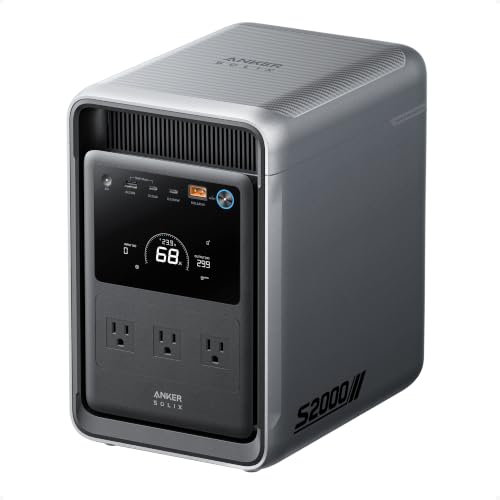
- 2,010Wh capacity with 1,500W continuous output
- Supports up to 400W solar input
- Efficient design with low idle draw
Best For: Home backup and long-running essentials
All-in-One Panel-Integrated Generator

- Built-in 40W solar panel for simpler charging
- 1,024Wh capacity with 1,600W output
- Eight ports and 100W bidirectional USB-C
Best For: Camping, RV trips, and basic emergency backup
Ultra-Compact 3kWh RV Backup
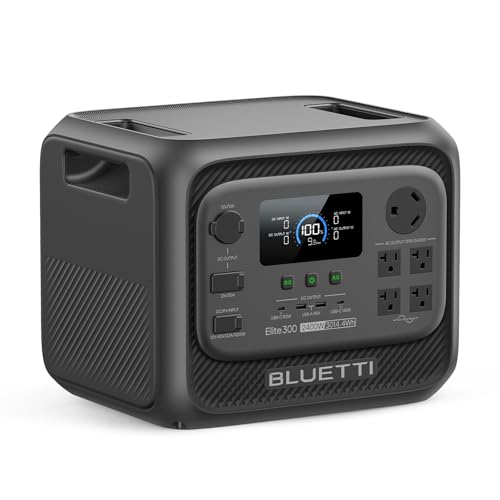
- 3,014Wh capacity with 2,400W output
- TT-30 RV outlet plus 12V/30A DC output
- 10ms UPS and flexible solar/AC/car charging
Best For: RV travel and compact high-capacity backup
Whole-Home Backup Pick

- 3,840Wh base capacity
- 3,200W solar input
- 6,000W output with 240V support
Best For: home backup, RVs, and outage prep
Compact Travel Pick

- 9.4 lb portable design
- 288Wh capacity with 600W output
- Solar, AC, and car charging support
Best For: light travel, camping, and small backup needs
Solar-Ready All-in-One Pick

- Built-in 40W solar panel
- 1024Wh capacity
- 1600W output with LiFePO4 battery
Best For: built-in solar convenience for camping and outages
500W Solar Backup Pick
GRECELL 500W 519Wh Portable Power Station

- 519Wh capacity with 500W pure sine wave output
- Charges up to 10 devices with AC, USB-C, USB-A, DC, car, and wireless options
- Supports solar, wall, or car recharging
Best For: Camping and home outage backup for small devices under 500W
Compact Premium Solar Kit
Anker SOLIX C300 with 60W Solar Panel

- 288Wh capacity with 300W output and 600W surge
- Includes 60W solar panel plus wall, car, and USB-C charging options
- LiFePO4 battery with 3,000 cycles and 5-year warranty
Best For: Travel and light backup in a compact solar-ready design
Budget Solar Starter
ZeroKor 300W Portable Solar Generator Kit

- 300W portable power station with 60W solar panel included
- Multiple charging options: AC, solar, and 12V car
- Built-in BMS protection and flashlight with SOS mode
Best For: Affordable light-duty camping and basic off-grid charging
Compact Fast-Charging Solar Backup – Jackery Explorer 1000 v2
If you want portable power stations with solar input that stay easy to carry, this Jackery bundle is built around a 1,070Wh battery, a 1,500W AC output, and a 200W panel for practical off-grid charging. It is a strong fit for camping, road trips, and emergency backup when you need real appliance support without a bulky build.
Best For: Campers, road-trippers, and users who want a compact solar generator with fast recharge options.
Pros:
- 1,500W continuous output with 3,000W surge can handle appliances like fridges and electric pots.
- 1,070Wh capacity in a 23.8 lb body with a foldable handle for easier transport.
- Supports fast charging modes, including app-enabled emergency charging and solar charging.
- LFP battery is rated for over 4,000 cycles and long service life.
Cons:
- 200W solar charging to 80% takes around 6 hours, so it is not the fastest solar charger in the lineup.
- Only three AC outlets, so it is better for moderate than heavy multi-device setups.
This is a well-rounded pick if you value portability, strong output, and app-controlled charging modes. It balances size and capability better than larger home-backup units, especially when solar charging is part of the plan.
High-Capacity Quiet Home Backup – Anker SOLIX S2000
For portable power stations with solar input that are aimed at home backup, this Anker model focuses on efficiency, long runtime, and flexible recharge options. With 2,010Wh of capacity, 1,500W output, and support for up to 400W solar input, it is designed to keep essentials like a fridge running longer while remaining relatively compact for its class.
Best For: Home backup users who want a high-capacity solar-ready power station with efficient runtime.
Pros:
- 2,010Wh capacity and 1,500W continuous output support most essential home appliances.
- Supports up to 400W solar input plus AC, generator, alternator, and car charging.
- 6W idle draw and higher efficiency help extend runtime, especially for fridge backup.
- 15-year LFP battery life claim with 10,000 charge cycles.
Cons:
- At 35.7 lbs, it is less convenient to move than lighter camping-focused units.
- No 12V DC port, which may matter for some users.
This is a practical choice if your priority is dependable home support rather than ultra-light portability. The solar charging ceiling and efficiency-focused design make it a strong all-around backup option.
All-in-One Panel-Integrated Generator – BLAVOR S1600 Solar Generator
If you want portable power stations with solar input and prefer not to carry a separate panel, this BLAVOR unit stands out with a built-in 40W solar panel. It pairs 1,024Wh of capacity with 1,600W output, making it a useful option for camping, RV trips, and emergency power when convenience matters as much as capacity.
Best For: Travelers and emergency users who want a solar generator with a built-in panel and strong output.
Pros:
- Built-in 40W solar panel adds easy sunlight charging without extra gear.
- 1,024Wh capacity with 1,600W rated output and 3,200W peak power.
- Eight output ports and 100W bidirectional USB-C support everyday device charging.
- LiFePO4 battery is rated for 4,000+ cycles and includes smart protection features.
Cons:
- Built-in panel is convenient, but faster charging may still require a separate external panel.
- External solar input tops out at 200W, which is modest versus larger solar-ready stations.
This model is strongest when convenience is the priority and you want a self-contained solar generator. It is a smart pick for light-to-moderate backup needs, but users wanting faster solar recharging may prefer a larger input ceiling.
Ultra-Compact 3kWh RV Backup – BLUETTI Elite 300
Among portable power stations with solar input, this BLUETTI model is built for users who want large capacity without oversized bulk. With 3,014Wh of storage, 2,400W output, and recharge support through solar, AC, or car charging, it is a strong fit for RV travel and home backup where space-saving design matters.
Best For: RV owners and home backup users who want a compact 3kWh-class solar generator.
Pros:
- 3,014Wh capacity and 2,400W output can support essentials like fridges, routers, lights, and CPAP machines.
- TT-30 RV outlet and 12V/30A DC output are tailored for RV and camper setups.
- Supports solar, AC, and car charging, with 0 to 80% charging in as fast as 78 minutes.
- 10ms UPS backup makes it useful for critical devices and home office equipment.
Cons:
- At 58 lbs, it is not as easy to move as lighter portable units.
- Only two total outlets, so expansion options are limited.
This is the most capacity-rich option in the group and the best match for users who need serious backup power in a smaller footprint. It is especially compelling if RV compatibility and fast recharge are high priorities.
Whole-Home Backup Pick – Anker SOLIX F3800 Plus
If you’re comparing portable power stations with solar input for serious home backup, the Anker SOLIX F3800 Plus stands out for its scale and flexibility. It starts at 3,840Wh, expands dramatically with extra batteries, and supports 3,200W solar input for fast recharging. With 6,000W output and 120V/240V dual-voltage support, it’s built for users who want one unit to cover a lot more than just basics.
Best For: Homeowners, RV users, and emergency prep buyers who want expandable capacity and high-output backup power.
Pros:
- 3,840Wh base capacity with expansion potential up to 53kWh
- 6,000W output and 120V/240V dual-voltage support for larger appliances
- 3,200W solar input plus multiple recharge options, including solar and generator
- Built with EV-grade LFP batteries and a 5-year warranty
Cons:
- Large and heavy at 135.6 pounds
- Likely more power than casual camping users need
- Requires additional batteries for maximum runtime expansion
This is a strong choice if your priority is fast solar charging and whole-home capability rather than ultra-light portability. The expandable design makes it especially appealing for buyers planning for outages, RV living, or high-demand appliances.
Compact Travel Pick – BLUETTI Elite 30 V2
For shoppers who want portable power stations with solar input in a smaller, easier-to-carry format, the BLUETTI Elite 30 V2 is a practical entry-level option. At 9.4 pounds with 288Wh of capacity, it’s sized for short trips, storm prep, and everyday essentials. Its solar, AC, and car charging support gives it flexible recharging without adding much bulk.
Best For: Campers, travelers, and home users who want a lightweight backup unit for essentials.
Pros:
- Very lightweight at 9.4 pounds and easy to carry
- 288Wh capacity with 600W continuous output and 1500W surge mode
- Supports 8 charging modes, including solar, AC, and car charging
- 10ms UPS switch helps keep devices running during outages
Cons:
- Much smaller capacity than larger home-backup models
- Best suited to essentials rather than heavy appliances
- Solar panel compatibility is tied to the matching PV60L panel mention
This model makes sense if you want something compact, efficient, and easy to recharge in different ways. It’s a good fit for laptops, phones, CPAP machines, and similar loads when portability matters more than total runtime.
Solar-Ready All-in-One Pick – BROWEY S1600
If you want portable power stations with solar input and prefer an all-in-one design, the BROWEY S1600 is worth a look. It pairs a built-in 40W solar panel with MPPT charging and a 1024Wh capacity, so it’s designed to keep collecting energy while you use it. With 1600W output and multiple charging methods, it aims for balanced off-grid versatility rather than extreme portability.
Best For: Campers, RV travelers, and emergency users who want built-in solar charging convenience.
Pros:
- Built-in 40W solar panel with MPPT controller for solar charging
- 1024Wh capacity and 1600W pure sine wave output
- LiFePO4 battery rated for 3000+ cycles to 80% capacity
- Can charge devices while collecting sunlight
Cons:
- Built-in solar panel is only 40W, so it’s not a fast-recharge powerhouse
- At 26 pounds, it’s less grab-and-go than lighter units
- Smaller output than larger home-backup stations
This is a practical choice if you want an integrated solar generator format without needing to build a separate panel setup. It fits well for camping, short outages, and general outdoor use where convenience matters.
500W Solar Backup Pick – GRECELL 500W 519Wh Portable Power Station
If you want a practical option among portable power stations with solar input, this GRECELL model focuses on everyday backup and camping basics rather than ultra-high output. Its 519Wh capacity, 500W rating, and mix of AC, USB, DC, car, and wireless charging make it a flexible fit for keeping essential devices running during outages or trips.
Best For: Camping, home outage backup, and charging a mix of small devices under 500 watts.
Pros:
- 519Wh capacity with 2 pure sine wave AC outlets rated at 500W.
- Can power up to 10 devices at once, including USB-C PD 60W and USB-A QC 3.0 ports.
- Rechargeable by solar, wall outlet, or car charger, with solar support for compatible 100W or 200W panels.
- Built-in BMS protection and pure sine wave inverter help protect sensitive electronics.
Cons:
- Not suitable for devices above 500W rated power.
- Solar panel is not included.
- Charging speed depends on panel size and sunlight conditions.
Overall, this is a straightforward solar-ready power station for users who want a dependable mid-size backup source without moving into heavy-duty generator territory. It offers useful output variety and safe operation for common essentials.
Compact Premium Solar Kit – Anker SOLIX C300 with 60W Solar Panel
For shoppers comparing portable power stations with solar input, the Anker SOLIX C300 stands out for portability and fast charging in a compact package. It pairs a 288Wh station with a 60W solar panel, while still offering 300W output, multiple ports, and LiFePO4 battery durability for travel and light backup use.
Best For: Travel, short camping trips, and users who want a compact solar-ready power station with fast recharge options.
Pros:
- Compact build that is 15% smaller than similar designs and easy to carry.
- Includes a 60W solar panel and supports solar, wall, car, and PD 3.1 USB-C recharging.
- Fast wall charging can reach 80% in 50 minutes.
- LiFePO4 battery is rated for 3,000 cycles and includes a 5-year warranty.
Cons:
- 300W output is best for smaller electronics rather than larger appliances.
- The included solar panel is only 60W, so solar charging will be modest.
- Some accessories ship separately.
This is a strong pick if portability and charging speed matter more than raw capacity. It fits well for users who want a compact, dependable solar-capable power station for everyday travel and light emergency needs.
Budget Solar Starter – ZeroKor 300W Portable Solar Generator Kit
This ZeroKor kit is a budget-friendly entry in portable power stations with solar input, especially if you mainly need to charge phones, tablets, laptops, and other small camping electronics. It includes a 60W solar panel, multiple output types, and built-in protection features, making it a simple grab-and-go option for basic off-grid use.
Best For: Tent camping, light outdoor charging, and users who want an affordable starter solar generator kit.
Pros:
- Includes a 60W solar panel in the box.
- Offers 2 AC outlets plus USB-A, quick-charge USB, DC, and flashlight functions.
- Built-in BMS includes short circuit, over-current, over-voltage, overload, and overheating protection.
- Can recharge from AC, solar, or a 12V car connection.
Cons:
- Not intended for devices over 300W.
- Some heat-producing appliances are specifically called out as poor matches.
- Solar panel junction box is not waterproof and must be kept dry.
As a starter kit, this model makes sense when you want simple solar charging and basic device support without paying for more capacity than you need. It is best viewed as a practical lightweight solution for low-power camping and emergency charging.
How We Picked the Best Portable Power Stations with Solar Input
We prioritized solar charging compatibility, real-world capacity, AC output, portability, and the mix of ports most buyers actually need. We also looked for lithium iron phosphate batteries where available, useful recharge options, and clear use cases ranging from light travel to whole-home backup support.
Quick Comparison
Smaller models are best for phones, laptops, lights, and weekend camping. Mid-range units offer a better balance for CPAP machines, mini-fridges, and longer trips. Large-capacity systems are designed for heavy appliance use, extended outages, RV life, and faster solar replenishment when paired with higher-wattage panels.
Key Buying Factors for Portable Power Stations with Solar Input
Capacity and Runtime
Check watt-hours first. A bigger battery means longer runtime, but also more weight and higher cost. Match capacity to the devices you need to run, not just the biggest number available.
Solar Input and Charging Speed
Solar input rating matters because it affects how fast the battery can recover in daylight. If you plan to rely on panels regularly, make sure the station can accept the panel wattage you want to use without bottlenecking performance.
Output Wattage
AC output should comfortably exceed the startup and running demands of your gear. For appliances with motors or compressors, headroom is important.
Portability and Form Factor
If you’ll carry it often, weight and handle design matter as much as capacity. For vehicle storage or backup at home, bulk is less of a concern than battery size and port variety.
Who Should Buy What
Frequent travelers and campers should look at compact Portable Power Stations with Solar Input for easy transport and simple charging. RV users and families will usually want mid- to high-capacity models with stronger AC output and better expansion options. Home backup buyers should prioritize larger batteries, higher solar input, and enough outlets to cover essential devices during longer outages.
In short, the best choice is the one that balances runtime, recharge speed, and portability for your actual daily use. If you expect to recharge from the sun often, solar input capacity becomes just as important as battery size.