Reliable communication can make a major difference when backpacking beyond cellular coverage. The right satellite communicator helps you share your location, exchange messages, receive weather updates, or summon emergency assistance when needed.
This roundup compares 10 options ranging from compact two-way messengers to dedicated personal locator beacons, so you can match features, subscription costs, durability, and battery life to your trips.
Best 10 Satellite Communicators for Backpacking Picks for 2026
Best Connected Safety Platform

- Satellite, cellular, and Wi-Fi messaging
- Immediate SOS with 24/7 monitoring
- IP68-rated with 200-hour tracking battery
Best For: Backpackers wanting flexible messaging and location sharing
Best Compact Navigation Messenger

- Two-way messaging and interactive SOS
- TracBack routing and digital compass
- Up to 14 days in tracking mode
Best For: Backpackers prioritizing navigation alongside communication
Best No-Subscription Emergency Beacon

- No ongoing subscription required
- Global 406 MHz distress signaling
- GPS/Galileo positioning and dual strobes
Best For: Backpackers wanting simple emergency-only rescue signaling
Best Battery Life for Group Messaging

- Up to 28 days in tracking mode
- Global two-way and group messaging
- Interactive SOS with 24/7 monitoring
Best For: Backpackers on extended trips or traveling in groups
Global Trail Link
ACR Bivy Stick 2-Way Communicator

- SOS emergency rescue support
- Unlimited check-ins and GPS location sharing
- Offline maps plus protective carrying pouch
Best For: Phone-connected backpacking communication and navigation
Proven Expedition Navigator
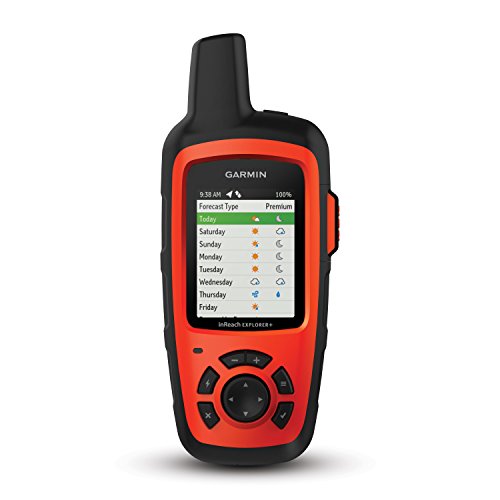
- Global Iridium two-way messaging
- Interactive SOS with 24/7 monitoring
- Topo maps, GPS routing, and compass
Best For: Backpackers prioritizing built-in navigation
Lightweight Off-Grid Link
HMD OffGrid Satellite Communicator

- Two-way messaging through the OffGrid app
- Real-time location sharing and one-button check-ins
- Three-day battery life in a 2.12-ounce device
Best For: Weight-conscious backpackers needing essential contact features
Compact Trail Communicator
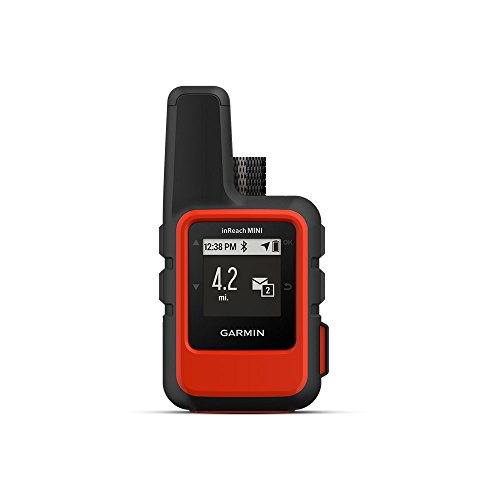
- Two-way messaging on the global Iridium network
- Interactive SOS with 24/7 monitoring
- Compact design with up to 90 hours of battery life
Best For: Lightweight backpacking with Garmin app support
Group-Ready Off-Grid Hub
ACR Bivy Stick Satellite Communicator

- Global two-way messaging through the Bivy app
- GroupTrack supports up to 12 people
- Up to 120 hours of listed battery life
Best For: Group trips, live tracking, and shared location updates
Minimalist SOS Messenger

- Two-way satellite messaging through a compatible phone
- Unlimited SOS included with every service plan
- 2.5-ounce, IP68-rated design
Best For: Essential check-ins and SOS with minimal pack weight
Best Connected Safety Platform – ZOLEO Satellite Communicator
For backpackers who want flexible communication beyond cell coverage, the ZOLEO Satellite Communicator combines satellite, cellular, and Wi-Fi messaging through a paired smartphone. It offers two-way messaging, location sharing, weather forecasts, and emergency support, though an active service plan is required.
Best For: Backpackers who want ongoing messaging, check-ins, and location sharing with flexible connectivity.
Pros:
- Uses satellite, cellular, or Wi-Fi messaging through the lowest-cost available network.
- Offers immediate SOS activation with 24/7 emergency monitoring and non-emergency Medical Assist.
- IP68-rated design, USB-C charging, and up to 200 hours in tracking mode.
- Includes a dedicated SMS number, GPS coordinates in messages, and long messages up to 900 characters.
Cons:
- Requires a paid monthly service plan for messaging and satellite features.
- Full messaging functionality depends on pairing with an Android or iOS smartphone.
The ZOLEO is a strong all-around option for satellite communicators for backpacking when two-way contact and practical safety features matter more than having a built-in display.
Best Compact Navigation Messenger – Garmin inReach Mini 2
The Garmin inReach Mini 2 is a compact choice for satellite communicators for backpacking, pairing two-way messaging and interactive SOS with navigation tools. Its sunlight-readable monochrome display, digital compass, and TracBack routing help support trips where returning along your route is important.
Best For: Backpackers who want satellite communication paired with dedicated navigation and Garmin ecosystem support.
Pros:
- Provides two-way messaging and interactive SOS globally with an active subscription.
- TracBack routing, digital compass, GPS, and waypoint support add useful navigation functions.
- Compact 99-gram design with a sunlight-readable display and button controls.
- Battery lasts up to 14 days in 10-minute tracking mode.
Cons:
- Requires an active satellite subscription for messaging, location sharing, and SOS.
- Its listed North America map support may be less useful for backpackers seeking detailed global onboard maps.
The inReach Mini 2 suits hikers who want a small standalone communicator with navigation controls, while trip planning and topographical mapping are handled through the Garmin Explore app and website.
Best No-Subscription Emergency Beacon – ACR ResQLink 400 PLB
The ACR ResQLink 400 is a focused emergency beacon rather than a two-way messaging device. For backpackers comparing satellite communicators for backpacking, its main appeal is subscription-free SOS coverage using 406 MHz distress signals, GPS/Galileo positioning, and visual strobes.
Best For: Backpackers seeking a simple, subscription-free emergency rescue beacon.
Pros:
- Requires no ongoing subscription fees.
- Uses Cospas-Sarsat and MEOSAR systems for global distress coverage.
- GPS and Galileo GNSS provide location data to support rescue response.
- LED and infrared strobes improve visibility in low-light and nighttime conditions.
Cons:
- Designed for one-way emergency distress signaling, not two-way messaging.
- Does not provide the messaging, check-in, or navigation features found on satellite messengers.
The ResQLink 400 is best viewed as a dedicated rescue backup. It is a practical fit for backpackers who prefer a straightforward PLB and want to avoid recurring service costs.
Best Battery Life for Group Messaging – Garmin inReach Messenger
The Garmin inReach Messenger is a lightweight option for satellite communicators for backpacking, with global two-way text messaging, group chats, location sharing, and interactive SOS through the Garmin Messenger app. Its long battery life and phone safety-charging feature make it particularly useful on extended trips.
Best For: Backpackers who need long-lasting communication and group messaging away from cellular coverage.
Pros:
- Supports global two-way messaging, group chats, check-ins, and location sharing.
- Interactive SOS connects with Garmin’s 24/7-staffed monitoring and coordination center.
- Battery lasts up to 28 days in 10-minute tracking mode.
- Can optimize message delivery through cellular or satellite networks and provide safety charging for a depleted phone.
Cons:
- Requires an active satellite subscription for messaging, location sharing, and SOS.
- Messaging features rely heavily on the Garmin Messenger app and a compatible smart device.
Choose the inReach Messenger when extended battery life and group communication are priorities. It is less focused on standalone navigation, but it offers a strong communication package for multi-person backpacking trips.
Global Trail Link – ACR Bivy Stick 2-Way Communicator
NEW ACR Bivy Stick 2-Way Satellite Communicator with Carrying Case and Carabiner Bundle
Check Price On AmazonThe ACR Bivy Stick is a practical option for backpackers who want satellite communications without relying on cell coverage. It supports SOS alerts, unlimited check-in messaging, GPS location sharing, and offline maps through a compatible smartphone.
Best For: Backpackers seeking messaging, navigation, and emergency features in a phone-paired satellite communicator.
Pros:
- Supports SOS emergency rescue features.
- Offers unlimited check-in messages and GPS location sharing.
- Includes offline maps and navigation without cell coverage.
- Comes with a protective pouch, belt attachment, and carabiner.
Cons:
- Requires a compatible smartphone for its listed device pairing.
- The notes do not specify battery life or subscription details.
For satellite communicators for backpacking, the Bivy Stick stands out as a phone-connected choice with a useful mix of emergency, messaging, and navigation functions, plus carrying accessories for trail use.
Proven Expedition Navigator – Garmin inReach Explorer+
The Garmin inReach Explorer+ combines two-way satellite messaging with built-in mapping and GPS navigation. Its global Iridium coverage, interactive SOS capability, and rugged handheld design make it a feature-rich option for satellite communicators for backpacking, though a satellite subscription is required.
Best For: Backpackers who want a standalone handheld with preloaded topo maps, GPS routing, and dedicated navigation sensors.
Pros:
- Provides two-way text messaging through global Iridium satellite coverage.
- Connects users to a 24/7 search-and-rescue monitoring center through interactive SOS.
- Includes preloaded DeLorme topo maps, on-screen GPS routing, and a digital compass.
- Offers up to 30 hours of listed battery life and IPX7 water rating.
Cons:
- Requires a satellite subscription for messaging.
- Its 2017 model year makes it an older option than newer communicators.
- Some mapping and imagery features use the Earthmate app and a paired mobile device.
The Explorer+ is a strong fit when navigation matters as much as communication. Its screen-based maps and built-in sensors reduce dependence on a phone, while Bluetooth expands its mapping options.
Lightweight Off-Grid Link – HMD OffGrid Satellite Communicator
The HMD OffGrid is a lightweight satellite communicator built around the OffGrid app for two-way messaging, location sharing, check-ins, and SOS alerts. With a listed three-day battery life, waterproof construction, and a 2.12-ounce weight, it suits backpackers who want a compact phone-connected device.
Best For: Backpackers and hikers looking for a lightweight communicator with simple messaging and location-sharing functions.
Pros:
- Supports two-way messaging through the OffGrid app.
- Allows real-time location sharing with contacts at home.
- Provides one-button check-in messages and SOS alerts.
- Lists a three-day battery life, waterproofing, and a 2.12-ounce weight.
Cons:
- Requires an Android or iOS smartphone and the OffGrid app for its communication features.
- The supplied notes do not specify satellite network coverage or subscription requirements.
- Its listed display and controls may be less navigation-focused than a dedicated GPS handheld.
As satellite communicators for backpacking go, the OffGrid emphasizes portability and essential contact features rather than extensive onboard navigation. Its small size and three-day battery claim make it appealing for weight-conscious trips.
Compact Trail Communicator – Garmin inReach Mini
Garmin 010-01879-00 InReach Mini, Lightweight and Compact Satellite Communicator, Orange
Check Price On AmazonFor backpackers who prioritize a small, proven communication device, the Garmin inReach Mini combines two-way messaging with SOS support over the global Iridium network. It pairs with a smartphone through Bluetooth for mapping and additional features, though a satellite subscription is required.
Best For: Backpackers seeking a lightweight communicator with Garmin app integration and straightforward emergency support.
Pros:
- Compact, rugged design weighs about 0.1 kg.
- Supports two-way text messaging over the global Iridium network.
- Offers interactive SOS monitoring, optional weather forecasts, and downloadable maps through the Earthmate app.
- Up to 90 hours of listed battery life.
Cons:
- Requires a satellite subscription for messaging and SOS features.
- The small 0.9-inch display and 128 x 128 resolution are better suited to basic status information than detailed navigation.
- Many mapping and communication features depend on a paired compatible device.
The inReach Mini is a focused choice for satellite communicators for backpacking when low weight and Garmin’s emergency ecosystem matter more than a large built-in screen.
Group-Ready Off-Grid Hub – ACR Bivy Stick Satellite Communicator
The ACR Bivy Stick is built for backpackers who want messaging, location sharing, and group tracking through an iOS or Android app. It uses global Iridium coverage and adds offline maps, weather updates, and 24/7 SOS monitoring, with a separate service plan required.
Best For: Groups, families, guides, and solo hikers who want robust tracking and shared off-grid communication.
Pros:
- Supports two-way SMS, email, GPS tracking, offline maps, weather updates, and location sharing.
- GroupTrack supports messaging and location sharing with up to 12 people.
- Includes a dedicated phone number and email address after activation.
- Listed battery life reaches up to 120 hours, and the enclosure is IPX7 and MIL-STD-810 compliant.
Cons:
- Requires a service plan, with listed monthly or annual pricing and a one-time three-month commitment.
- Most communication and navigation functions operate through the Bivy app and a compatible smartphone.
- At 3.95 ounces, it is heavier than some minimalist satellite communicators.
Among satellite communicators for backpacking, the Bivy Stick stands out when shared tracking and group messaging are central to the trip rather than optional extras.
Minimalist SOS Messenger – Motorola Defy Satellite Link
The Motorola Defy Satellite Link is a compact option for backpackers who want two-way satellite messaging and SOS assistance from a paired iOS or Android phone. Its push-button check-ins, IP68 protection, and low listed weight make it practical for essential off-grid contact, but service plans are required.
Best For: Backpackers who want a small, rugged satellite link for basic messaging, check-ins, and emergency SOS.
Pros:
- Supports two-way satellite-enabled messaging with compatible iOS 14 and Android 10 or later phones.
- Provides check-in messages with coordinates and unlimited SOS under every service plan.
- IP68-rated construction is dustproof and waterproof to the listed specifications.
- Weighs 2.5 ounces and offers up to four days of standby battery life.
Cons:
- Requires a service plan, even though SOS assistance plans are listed as starting at $4.99 per month.
- Messaging depends on a compatible smartphone and the companion app.
- The device is designed around essential communication and check-ins rather than a broad built-in navigation display.
The Defy Satellite Link is a sensible pick among satellite communicators for backpacking when pack weight, weather resistance, and straightforward SOS access take priority over advanced standalone features.
How We Picked the Best Satellite Communicators for Backpacking
We evaluated these devices by focusing on the features that matter most away from cell service: satellite network coverage, two-way messaging, SOS capability, location sharing, GPS functionality, battery life, physical durability, ease of use, and ongoing plan requirements. We also included both full-featured satellite messengers and emergency-only beacons because backpackers have different communication needs and budgets.
Satellite connectivity depends on a clear view of the sky, so no device can guarantee instant delivery in dense forest, deep canyons, or severe weather. Still, products with straightforward interfaces, dependable positioning, and well-established emergency services are generally easier to trust in stressful situations.
Quick Comparison
- Best for versatile two-way communication: Garmin inReach Mini 2, Garmin inReach Messenger, and ZOLEO.
- Best for emergency-only use: ACR ResQLink 400 PLB.
- Best for mapping and navigation: Garmin inReach Explorer+.
- Best for compact, app-connected messaging: ACR Bivy Stick, Bivy Stick 2-Way, Motorola Defy Satellite Link, and HMD OffGrid.
- Best for a lightweight older Garmin design: Garmin inReach Mini.
Key Buying Factors for Satellite Communicators for Backpacking
Two-Way Messaging Versus SOS-Only Protection
A two-way communicator lets you send custom messages, confirm that contacts received them, share progress, and coordinate pickups. An SOS-only personal locator beacon is simpler and can be a strong choice if you mainly want emergency rescue capability without recurring recreational messaging.
Network, Plans, and Total Cost
Check the satellite network used, coverage in your destination, activation requirements, annual fees, message limits, tracking costs, and suspension options. The cheapest device may become expensive if you send frequent messages or use continuous tracking.
Battery Life and Charging
Compare rated battery life in tracking mode rather than standby alone. Frequent location updates, Bluetooth use, weak satellite visibility, and cold temperatures can reduce runtime. USB charging and a power bank are useful for longer trips.
Navigation and Usability
Some devices rely heavily on a phone app, while others include screens, buttons, maps, or built-in navigation. Phone-based systems can be convenient, but a device with independent controls may be preferable when your phone battery is low or conditions are difficult.
Size, Durability, and Carrying Options
Look for water resistance, impact protection, glove-friendly controls, and a secure attachment point. A slightly larger unit may be worthwhile if it offers better battery capacity or easier operation.
Who Should Buy Which Satellite Communicators for Backpacking?
Choose a full-featured Garmin or ZOLEO-style messenger if you regularly travel in remote areas and need dependable two-way communication. Select a Bivy Stick, Defy Satellite Link, or OffGrid-style device if you prefer composing messages through a smartphone. Choose the ResQLink 400 if emergency rescue is the priority and routine messaging is unnecessary. Backpackers who want on-device maps and navigation should consider the inReach Explorer+, while those prioritizing minimal weight may prefer a compact inReach model or another small messenger.
Before leaving, activate the plan, update firmware, charge the device, test messaging outdoors, save emergency contacts, and explain your tracking or SOS procedure to someone at home.