Finding a hydration vest that fits a smaller frame can be difficult when standard designs shift, bounce, or leave straps rubbing during a run. The right option should feel secure without restricting your breathing or arm movement.
We’ve gathered 10 running hydration vests for small runners with different capacities, bottle and bladder setups, storage layouts, and adjustment systems. Use the guide below to narrow your choices by distance, comfort priorities, and carrying needs.
Best 10 Running Hydration Vests for Small Runners Picks for 2026
Best Lightweight Flask Vest
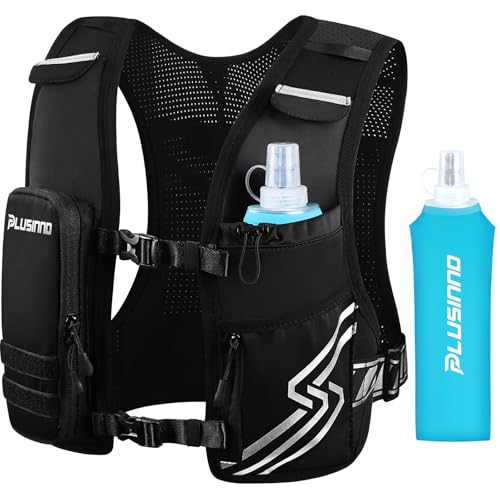
- Includes a 500ml soft flask
- XS/S adjustment range for 25–33-inch chests
- Touchscreen phone pocket and reflective details
Best For: Shorter runs and smaller runners wanting compact hydration
Best High-Capacity Fit

- Lightweight 190g pack body
- Nine exterior storage pockets
- Bladder sold separately
Best For: Trail and marathon runners carrying extra gear
Best Simple Flask Setup
Katroiy Adjustable Running Vest

- Includes a collapsible 500ml flask
- Adjustable shoulders and chest buckle
- Front and rear zippered storage
Best For: Everyday running and workouts with basic hydration
Best Bladder Capacity
N NEVO RHINO 1.5L Running Vest

- Includes a 1.5L water bladder
- Fits stated 31.5–47.5-inch chest range
- Breathable mesh and reflective strips
Best For: Longer runs and trails requiring more water
Best for Long Runs
Zelvot 2L Bladder Hydration Vest

- 2L bladder for extended outings
- XS/S fits 27–34-inch chests
- Lightweight with whistle and reflective logos
Best For: Smaller runners needing substantial hydration for long runs or hikes
Best Secure Minimalist Setup

- XS/S fits 25–38-inch chests
- Dual sternum and side waist straps
- Six pockets with secure phone storage
Best For: Smaller runners wanting a stable 500ml vest with practical storage
Lightweight Trail Pick

- 155-gram lightweight design
- 1.5-liter leak-free bladder
- Adjustable straps and reflective trim
Best For: Light trail runs and compact hydration
Maximum Organization
Criuage 2.0L Hydration Chest Pack

- 2-liter BPA-free bladder
- Eight total storage pockets
- Adjustable, no-shift chest design
Best For: Longer runs requiring extra gear storage
Ultra-Light Everyday Option

- 140-gram lightweight build
- 1.5-liter water bladder
- Adjustable shoulder and hip straps
Best For: Lightweight road and trail running
Best Lightweight Flask Vest – PLUSINNO 500ml Running Vest
For runners comparing running hydration vests for small runners, the PLUSINNO model offers a lightweight, close-fitting design with a 500ml soft flask and adjustable chest and waist straps. Its XS/S adjustment range is listed for 25–33-inch chests, making it a practical option for smaller builds.
Best For: Shorter runs, road running, and runners who want a compact flask-based vest with organized storage.
Pros:
- Includes a BPA- and PVC-free 500ml soft flask.
- XS/S, M/L, and XL adjustment ranges help fine-tune the fit.
- Multiple pockets include a touchscreen-compatible phone pocket.
- Lightweight polyester-neoprene construction and reflective details support comfortable, visible running.
Cons:
- The included flask capacity is limited to 500ml.
- No warranty is listed in the supplied details.
This is a strong everyday choice if you prefer front-access hydration, a small load, and plenty of compartments without moving to a larger bladder pack.
Best High-Capacity Fit – AONIJIE 5L Trail Running Vest
Among running hydration vests for small runners, the AONIJIE 5L vest stands out for its low 190g weight, adjustable straps, and spacious storage. It is sold without a bladder, so you can select a compatible hydration setup separately.
Best For: Trail runners and marathon-distance users who need more gear capacity and want to choose their own bladder.
Pros:
- Weighs approximately 190g (6.7oz) without a bladder.
- Offers nine exterior pockets for phone, keys, cash, and other essentials.
- Adjustable shoulder, chest, and waist straps help reduce bouncing.
- Breathable mesh and a padded airflow back section support ventilation.
Cons:
- The listed version does not include a water bladder.
- The 5L capacity may be more storage than needed for short runs.
- Only two size options are noted in the supplied details.
This model makes sense when fit adjustability and carrying capacity matter more than an included bottle, but remember to budget for a compatible bladder.
Best Simple Flask Setup – Katroiy Adjustable Running Vest
The Katroiy vest is a straightforward option for shoppers seeking running hydration vests for small runners, combining a 500ml collapsible flask with adjustable shoulder straps and a chest buckle. Its elastic and mesh construction is designed to remain breathable during active use.
Best For: Everyday workouts, jogging, hiking, and runners who want basic hydration with front and rear storage.
Pros:
- Includes a collapsible 500ml soft water bottle.
- Adjustable straps and a chest buckle provide a customizable fit.
- Zippered front and back pockets hold phones, keys, and snacks.
- Reflective strips and webbing improve visibility in low-light exercise.
Cons:
- The listed hydration capacity is limited to 500ml.
- The supplied details do not specify a dedicated small-size measurement range.
Choose this vest if you want an uncomplicated flask-based pack and adjustable support, but verify the fit before buying if you need precise measurements for a smaller frame.
Best Bladder Capacity – N NEVO RHINO 1.5L Running Vest
For runners who need more water than a soft flask provides, the N NEVO RHINO is one of the running hydration vests for small runners with a 1.5L bladder, breathable mesh, and a stated 31.5–47.5-inch chest range. Adjustable shoulder-to-waist straps are designed to distribute the bladder’s weight and limit bounce.
Best For: Longer trail runs, hikes, cycling, and runners who need higher-capacity hydration.
Pros:
- Includes a 1.5L leak-proof water bladder.
- Lightweight construction is listed at approximately 140g (5oz).
- Front pockets accommodate a 350ml bottle, nutrition, and a phone.
- Breathable mesh panels and reflective strips support comfort and visibility.
Cons:
- The listed chest range begins at 31.5 inches, which may not suit every smaller runner.
- Its 1.5L bladder can create a heavier load than a 500ml flask setup.
- The supplied details contain inconsistent pocket-count descriptions.
This is the better pick when refill frequency matters, provided the stated chest range works for you and you are comfortable carrying a larger water load.
Best Adjustable Fit – Zelvot 500ml Soft Flask Vest
For runners comparing running hydration vests for small runners, the Zelvot stands out for its XS/S chest range of 27–34 inches and three adjustable chest straps. It includes a 500ml collapsible soft flask, multiple pockets, and reflective details for everyday training or race day.
Best For: Smaller-framed runners who want adjustable fit, compact hydration, and extensive storage.
Pros:
- XS/S sizing covers 27–34-inch chests, with additional adjustable sizes available.
- Includes a BPA- and PVC-free 500ml soft flask designed to reduce sloshing as it empties.
- Seven front pockets and two large rear pockets provide substantial storage, including a hidden zippered phone pocket.
- Lightweight 7.5-ounce neoprene construction includes ventilation holes and reflective front and back details.
Cons:
- Its 500ml capacity is better suited to shorter runs or refill-supported routes than long outings without access to water.
- The extensive pocket layout may be more storage than minimalist runners need.
The adjustable chest system and smaller XS/S range make this a practical option when a secure fit is the priority. Choose by chest measurement rather than usual clothing size, and size up if between ranges.
Best for Long Runs – Zelvot 2L Bladder Hydration Vest
The Zelvot 2L vest is a strong choice among running hydration vests for small runners who need more water capacity. Its XS/S range starts at a 27-inch chest, while adjustable straps, a lightweight build, and organized pockets help keep longer runs comfortable and practical.
Best For: Smaller runners tackling longer routes, hikes, or outings where 500ml may not be enough.
Pros:
- Includes a 2L BPA- and PVC-free bladder with a high-flow bite valve for hands-free drinking.
- XS/S chest sizing covers 27–34 inches, with adjustable straps designed to reduce shifting and chafing.
- Six front pockets, two large rear pockets, bottle pockets, and a zippered whistle pocket offer versatile organization.
- 7.5-ounce breathable construction and reflective logos support lightweight, lower-visibility running.
Cons:
- The larger 2L bladder may be more capacity than needed for short runs.
- The supplied sizing information does not list an option below a 27-inch chest.
This model makes the most sense when hydration range matters more than carrying the lightest possible water load. Its smaller listed size and adjustable chest straps help address fit, but measure carefully before ordering.
Best Secure Minimalist Setup – MIER 500ml Running Vest
For runners seeking running hydration vests for small runners with a compact, bounce-resistant design, the MIER combines a 500ml soft flask with dual sternum straps and side waist straps. Its XS/S size covers 25–38 inches, making it the broadest smaller-size range in this group.
Best For: Smaller runners who prioritize a secure fit, phone storage, and moderate hydration.
Pros:
- XS/S sizing covers 25–38-inch chests and pairs dual sternum straps with side waist straps.
- Includes a BPA-free collapsible 500ml soft flask with a bite valve.
- Five front pockets and one large zippered back pocket organize essentials, while the reflective phone pocket helps secure a device.
- Breathable neoprene, ventilation holes, reflective logos, and a 10-ounce weight suit varied outdoor activities.
Cons:
- The 500ml capacity may require refilling on longer runs or hot-weather outings.
- At 10 ounces, it is heavier than the two Zelvot models listed here.
The MIER is a sensible fit-focused pick for runners who want more adjustment than a basic chest-strap pack provides. Its 25-inch minimum listed chest range is especially useful for smaller builds, while the six-pocket layout keeps the setup practical without excessive storage.
Lightweight Trail Pick – Runlight 1.5L Hydration Vest
For runners comparing running hydration vests for small runners, the Runlight is a lightweight option with a 1.5-liter bladder, adjustable chest and shoulder straps, and breathable mesh. Its compact storage layout suits runners who want water and a few essentials without a bulky pack.
Best For: Lightweight trail runs, hikes, cycling, and runners who prioritize breathable materials and adjustable fit.
Pros:
- Weighs just 155 grams and includes a 1.5-liter bladder.
- Adjustable chest and shoulder straps help personalize the fit.
- Breathable mesh, reflective trim, and three storage pockets support active use.
Cons:
- Its listed capacity is 2 liters, so storage is limited compared with larger daypacks.
- The product notes do not provide specific torso measurements for confirming a small-runner fit.
The Runlight balances low weight, ventilation, hydration, and basic organization. Check the strap adjustment range before buying if you need a particularly close fit.
Maximum Organization – Criuage 2.0L Hydration Chest Pack
The Criuage is a higher-capacity choice among running hydration vests for small runners, combining a 2-liter BPA-free PEVA bladder with eight pockets. Adjustable straps and wide mesh shoulder padding are designed to reduce movement and improve comfort during longer activities.
Best For: Endurance events and runners who need room for hydration, snacks, a phone, keys, and other small gear.
Pros:
- Includes a dedicated 2-liter BPA-free PEVA water bladder.
- Eight pockets provide extensive front and rear organization.
- Adjustable cross-body straps and wide mesh shoulder pads support a secure fit.
- Water-resistant construction and a two-year warranty add practical value.
Cons:
- At 750 grams, it is substantially heavier than the other listed options.
- The five-liter overall capacity and multiple pockets may feel bulky for short runs.
- The notes do not specify a dedicated small-torso size.
Criuage makes the most sense when carrying capacity matters more than minimum weight. Its adjustable design may help smaller runners, but the relatively heavy build is worth considering.
Ultra-Light Everyday Option – INOXTO 1.5L Hydration Vest
For runners seeking running hydration vests for small runners, the INOXTO offers a 140-gram design with a 1.5-liter bladder, breathable mesh, and adjustable shoulder and hip straps. Its compact profile is intended to reduce bulk and movement during running, cycling, and trail activities.
Best For: Road runners, trail runners, and active users who want a very light pack with accessible front storage.
Pros:
- Weighs only 140 grams while carrying a 1.5-liter bladder.
- Adjustable shoulder and hip straps allow fit changes around the torso.
- Front pockets hold gels, keys, a phone, and other small essentials.
- Reflective trim supports visibility in low-light conditions.
Cons:
- The listed three-pocket configuration offers less storage than the Criuage pack.
- Its 1.5-liter capacity may be limiting for extended outings.
- The notes do not include exact torso dimensions for small runners.
The INOXTO is the lightest option in this group and emphasizes stability, ventilation, and low bulk. Confirm the adjustable strap range if you need a precise small-frame fit.
How We Picked These Running Hydration Vests for Small Runners
We focused on the features that matter most when a vest must fit a shorter torso or narrower chest: adjustable sternum straps, multiple points of compression, low overall weight, accessible pockets, and secure bottle or bladder placement. The selection also includes several capacities, from compact 500ml soft-flask designs to packs with 1.5L or 2L reservoirs and larger trail-oriented storage.
Because product specifications and fit can vary, check each listing’s measurements, adjustment range, included accessories, and care instructions before ordering. A vest that works well for one small runner may still feel too long or loose on another.
Quick Comparison
| Best for | Typical capacity | What to prioritize |
|---|---|---|
| Short runs and races | 500ml flask | Low weight, stable chest fit, quick access |
| Longer road runs | 1.5L bladder or more | Reservoir comfort, storage, ventilation |
| Trail running | 1.5L–2L bladder | Compression, durable materials, pole or gear storage |
| All-day outdoor use | 2L plus extra cargo space | Insulation, organization, adjustability |
Key Buying Factors for Running Hydration Vests for Small Runners
Fit and Adjustability
Look for two-way sternum adjustment, wide strap ranges, and side or shoulder compression. The vest should sit high enough to avoid hitting your lower back, while leaving room for full breaths. When loaded, it should remain close to your body without pressing uncomfortably across the chest.
Capacity and Hydration Format
A 500ml soft flask is often enough for shorter runs when refill points are available. Choose a 1.5L or 2L bladder for longer distances, hot weather, or remote routes. Soft flasks are generally easier to monitor and refill; bladders provide more volume but can feel heavier and require more cleaning.
Bounce Control and Access
Front-facing bottle pockets, snug compression, and reachable bite valves help you drink without stopping. Test the vest with the intended water load, phone, keys, and other essentials. Excess empty space can cause movement even when the vest initially feels comfortable.
Storage and Visibility
Prioritize a dedicated phone pocket, secure key storage, and enough room for fuel or a light layer. Reflective details are useful for road running in low light, while breathable panels can make a major difference in warm conditions.
Who Should Buy Which Running Hydration Vests for Small Runners?
Choose a lightweight 500ml model if you mainly run short distances, prefer minimal carry, or want quick front access. A 1.5L bladder vest is a better match for long training runs and routes with fewer refill points. Runners tackling trails, hiking, or cycling may benefit from a 2L pack with more cargo capacity and stronger compression.
If you are between sizes, compare the manufacturer’s chest and torso measurements rather than relying on gender labels. Small runners should also consider the loaded fit: tighten the vest gradually, keep heavier items close to the back, and avoid overpacking the front pockets. This approach helps any of these options feel more stable and comfortable over distance.